Uncover the Realm of Fair Trade Tea: High-Quality Brews That Foster Sustainable Practices
Fair Trade tea represents a harmonious union of quality and moral values. Each cup delivers a distinctive taste experience while promoting sustainable farming practices. This approach not only improves the tea enjoyment but also uplifts marginalized farmers. Understanding its roots and verification standards uncovers deeper layers of importance. As buyers become more conscious of their decisions, the impact of Fair Trade tea extends beyond flavor. What exists beneath the exterior of these selections?
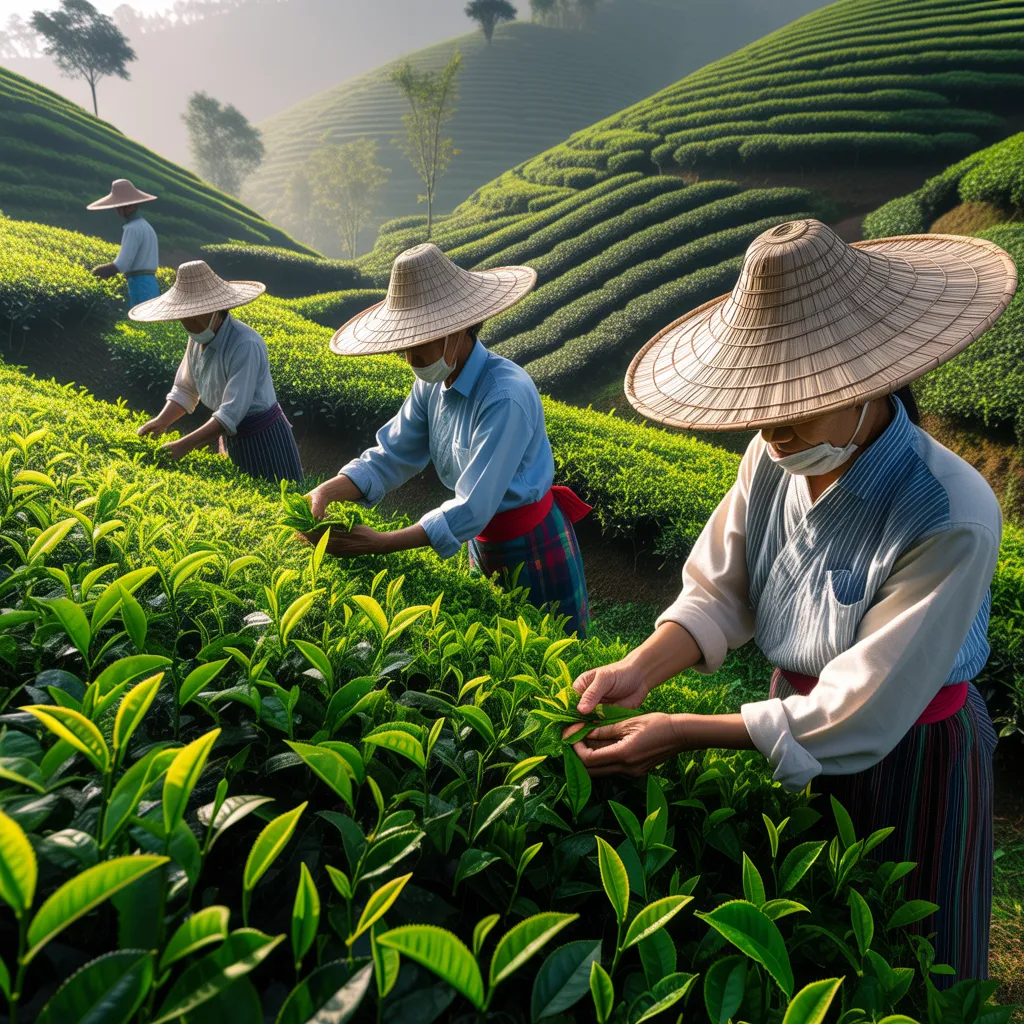
Uncover the Origins of Fair Trade Tea
Fair Trade tea stems from the socioeconomic movements geared toward bettering the fortunes of sidelined farmers. Taking shape in the closing years of the twentieth century, this initiative worked to tackle unfairness in international trade, especially in developing countries where tea is regularly cultivated. The movement built momentum as purchasers became increasingly aware of the harsh conditions faced by small-scale farmers, including inequitable prices and mistreatment by multinational companies.
Through collaborative partnerships, Fair Trade aimed to empower these farmers, ensuring they obtained fair payment and backing for sustainable farming practices. The movement also focused on promoting ecological stewardship, promoting organic farming and biodiversity. As knowledge increased, Fair Trade tea became a symbol of responsible purchasing, connecting consumers directly with the origins of their beverages. By selecting Fair Trade tea, individuals add to a larger goal of social justice and economic equity, creating a more sustainable future for tea-growing communities.
Comprehend Fair Trade Certification for sustainable practices
Understanding Fair Trade certification is vital to identifying how sustainable practices are maintained within the tea industry. This certification assures that producers receive fair wages and work under safe conditions, which directly advances community development. Fair Trade standards foster environmentally sustainable farming methods, reducing the use of harmful chemicals and encouraging biodiversity.
Certification also fosters clarity in the supply chain, allowing consumers to trace their tea back to its source. By following these guidelines, farms undertake practices that protect natural resources and sustain local environments. Additionally, Fair Trade groups often provide learning materials and training to agricultural producers, empowering them to improve their production methods and financial security.
In the end, Fair Trade certification improves the caliber of tea while also matching consumer choices with ethical and sustainable principles, rendering it a essential component of the tea sector's commitment to community responsibility and environmental protection.
Discover Best Varieties of Fair Trade Tea
While many tea experts value the intense notes and scents of various brews, discovering the top kinds of Fair Trade tea unveils a more substantial commitment to ethical sourcing and sustainability. Some trendy options showcase Fair Trade Assam, praised for its assertive, grain-like flavor, and Fair Trade Darjeeling, often termed the "Champagne of teas" for its delicate floral notes. Another prominent variety is Fair Trade Earl Grey, infused with bergamot, offering a distinctive lemon quality.
Additionally, Fair Trade Green Tea, praised for its invigorating qualities and health benefits, is increasingly favored among health-conscious consumers. Herbal blends, such as Fair Trade Chamomile and Peppermint, also excel, delivering soothing and calming effects. Each of these varieties not only delivers exceptional flavor but also supports farmers and communities working for better livelihoods, making them a responsible choice for tea lovers seeking quality and ethical assurance.
Brewing Fair Trade Tea: Tips for a Ideal Cup
To create the ultimate cup of Fair Trade tea, careful attention is crucial, as the best practices can enhance the tea's individual aromas and aromas. The first step is that water quality is fundamental; using spring water provides a fresh flavor that allows the tea's qualities to stand out. Also, the water temperature is critical; different teas need specific temperatures; boiling water suits black tea and green and herbal teas require cooler temperatures.
Afterward, the brewing time ought to be strictly observed. Too much steeping can bring about a bitter quality, while understeeping may not access the total flavor dimensions. A general guideline is 3-5 minutes for black tea and 2-3 minutes for green tea.
To finish, using the proper amount of tea to water enhances the taste; one teaspoon of loose tea per cup is a good guideline. By following these guidelines, tea enthusiasts can fully appreciate the rich offerings of Fair Trade tea.
Environmental Impacts of Fair Trade Tea
Brewing Fair Trade tea not only improves the tea experience but also promotes eco-friendly farming methods that benefit the get going ecosystem. Fair Trade certification encourages farmers to use organic farming methods, which decrease the reliance on damaging chemicals and synthetic inputs. This approach promotes species diversity, helping to preserve local ecosystems and safeguard animal sanctuaries.
Additionally, Fair Trade practices often emphasize soil health and water conservation, ensuring that tea cultivation does not drain essential resources. By supporting small-scale farmers, Fair Trade also cultivates agroforestry, which unites tea cultivation with other crops and trees, further strengthening environmental resilience.
Furthermore, Fair Trade tea often involves environmentally friendly wrapping and delivery systems, reducing the greenhouse gas emissions associated with its delivery. Ultimately, selecting Fair Trade tea demonstrates a deliberate commitment to foster a increasingly eco-friendly agricultural system that honors both the planet and its inhabitants.

Your Tea Selection Helps Uplift Global Communities
Selecting Fair Trade tea strengthens worldwide societies by offering farmers with equitable compensation and better working conditions. This dedication guarantees that tea growers can sustain their livelihoods while investing in their families and community economies. By buying Fair Trade tea, consumers add to the development of essential community services, such as schooling and medical services.
Fair Trade accreditation promotes responsible conduct, requiring businesses to adhere to guidelines that emphasize employee protections and ecological responsibility. As a consequence, growers are motivated to cultivate high-quality tea, which not just improves their income but also fosters satisfaction in their craft.
Additionally, the direct trade partnerships formed through Fair Trade eradicate exploitative middlemen, allowing farmers to interact with buyers worldwide. This clarity fosters trust and encourages a global admiration for the cultural significance of tea. Ultimately, each cup of Fair Trade tea serves as a reminder of the positive impact individuals can have on global communities through deliberate shopping.
Regularly Posed Questions
What Approaches Should I Use to Determine Fair Trade Tea Goods On Sale in Stores?
To find fair trade tea products in stores, one should hunt for certification labels, such as Fair Trade Certified or Rainforest Alliance. Additionally, investigating brands devoted to principled sourcing can contribute to deciding thoughtfully.
Are There Any Wellness Advantages Associated With Fair Trade Tea?
Fair trade tea can provide numerous health advantages, such as antioxidants that enhance cardiovascular health, enhanced digestive wellness, and greater mental clarity. In addition, ethical procurement methods encourage eco-friendly farming, ultimately fostering a more vibrant environment and stronger community health.
Can I Find Ethically Sourced Tea in Online Marketplaces?
Yes, responsibly sourced tea is commonly found in online marketplaces. Various companies present a variety of selections, confirming consumers can easily access sustainable choices that support both environmental stewardship and fair labor practices.
What Impact Does Fair Trade Tea Have on Local Economies?
Fair trade tea positively impacts local economies by offering farmers equitable compensation, supporting community growth, and encouraging sustainable farming practices. This assistance improves living standards, promotes economic stability, and enables communities to allocate resources toward education and healthcare.
What Ways Should I Employ to Keep Fair Trade Tea for Peak Freshness?
To maximize quality, fair trade tea should be stored in a sealed jar, shielded from light, pungent smells, and humidity. Maintaining it in a dark, cool location helps protect its aroma and flavor over time.